11/2/19
I feel as if we are hearing about more and more deaths by suicide in the world today. There are multiple reasons for this in the United States; however, in developing countries, the reasons for the suicides are more tragic and evoke more feelings of sympathy for the people hearing and reading about these deaths. 75% of suicides occur among people from poor or middle-income countries. Suicide is the second leading cause of death in 15-29 year olds, and the most common forms are due to pesticide poisoning, hangings, and firearms. In third world countries, death by suicide is one of the leading causes for hospital visits. Many of these suicides are brought on due to the victim enduring violence either in the home or in the society. Many victims may not be able to reach a hospital in enough time, since many remote countries only have hospitals or healthcare facilities in one place, or they may be too scared to ask for help. Thus, even if the victim makes it to the hospital, most of the time it is too late, and nothing can be done.
Pesticides being used as a method of suicide is becoming a much more prevalent problem in developing countries. According to David Gunnell and Michael Eddleston’s article “Suicide by intentional ingestion of pesticides: a continuing tragedy in developing countries” (2003), “Most people living in rural regions of developing countries are involved in agriculture and farm small areas of land” (p. 903). Thus, these poisonous chemicals are more available to the people living there and even their children who help out with the work (p. 903). The article states strategies that could help reduce the number of suicides by ingesting pesticides. Two of the strategies that seemed the most reasonable are to “prohibit the sales of the pesticides most lethal to humans after ingestion” and to add “agents that make them unpleasant to taste/smell” (p. 906). By prohibiting the sales of the most lethal pesticides, they become less available to those searching for them. However, one disadvantage to this is that the “replacement pesticides may be less effective agriculturally” (p. 906). This could in turn add problems to food supply and other products of the crops that could make the developing country suffer even more. The idea of creating the pesticides to have a worse taste or smell also makes sense, but I feel that if one were really trying to end his or her life, he or she would be going through the process so quickly that he/she would not notice the taste. Although there may not be any effects on society and their well-being by increasing the amount of ‘bad tasting or smelling’ agents to the pesticides, the “costs to industry” would be greatly impacted (p. 906). It is much more expensive to change up the formula for something that is already being mass produced, and this new expense could have negative effects on the country.
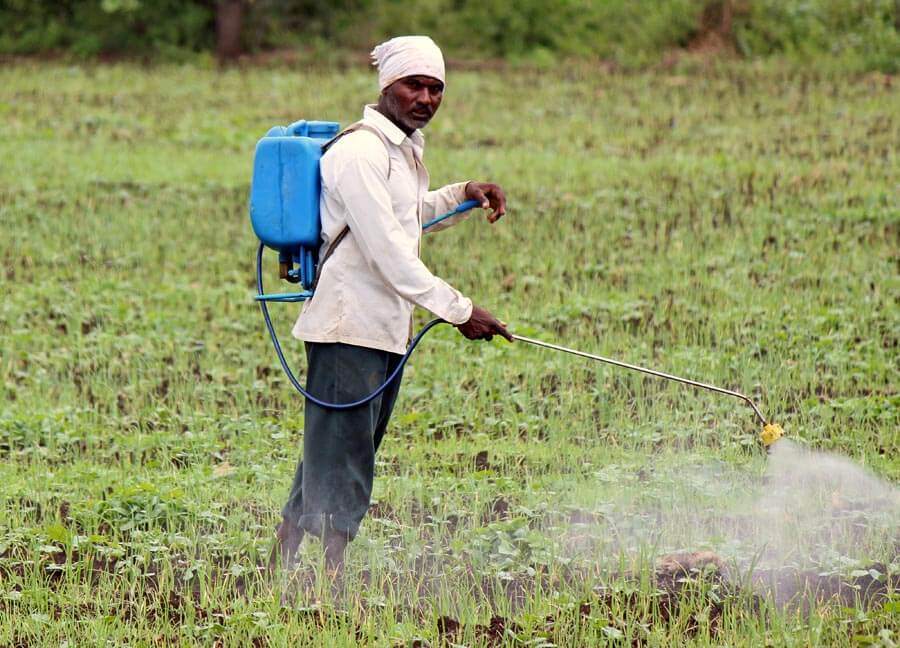
I chose to write about this topic because I found it very interesting that the ingestion of pesticides was among one of the top methods of suicide in developing countries. Although there are many ideas as to how this problem can be prevented, few have been acted upon due to the fact that there are so many disadvantages present. However, I believe that this is something that should be looked into along with the reasons behind these suicides so that the mortality and morbidity numbers can being to decrease again.
Reference:
Brazeau, M. (2015). Retrieved from http://fafdl.org/blog/2015/03/06/focus-on-pesticides-is-a-distraction-from-major-eco-impacts/.
Gunnell D. & Eddleston M. (2003). “Suicide by intentional ingestion of pesticides: a continuing tragedy in developing countries.” Oxford Academic, 32(6), 902-909. https://doi.org/10.10 93/ije/dyg307
 Jessica's Global Health Blog